The Story Behind POLY BLASTER
Why biomedical engineering, why outreach, why access.
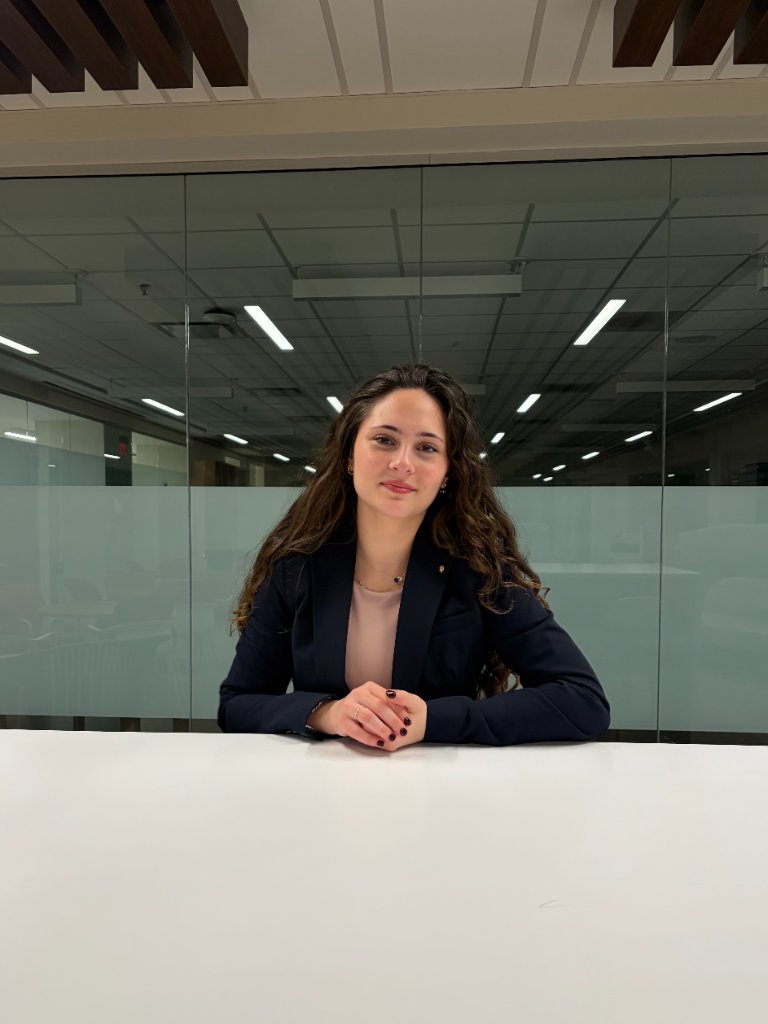
Founder
Gisele Atim - Biomedical Engineer
At my high school, engineering courses were difficult to access, and biomedical engineering was rarely something students could clearly understand, let alone imagine themselves pursuing.
Neuroscience felt even further away; aside from AP Psychology, there were few opportunities to explore the brain, mental health, neural repair, or the technology shaping the future of medicine.
I noticed that while many students spoke about mental health, few had access to the deeper science behind it or the engineering possibilities connected to it.
That gap became the foundation for POLY BLASTER — and later, Mind Wired.
From Idea to Impact
Created hands-on biomedical engineering workshops for youth across multiple communities.
Led 8+ events at libraries, schools, campus festivals, and international classrooms.
Launched Mind Wired — a neuroscience education branch exploring brain science, neuroengineering, and mental health literacy.
Launched Poly Caffeinated, a LinkedIn newsletter discussing groundbreaking polymers and materials with biomedical applications and their role in medicine.
Partnered with university research centers including the NSF Center for Polymers for a Circular Economy.
Why This Matters
Poly Blaster makes biomedical engineering more accessible by giving students hands-on exposure to real concepts in outreach and research-based learning. Instead of only learning theory, students gain practical understanding and confidence in STEM, helping them see biomedical engineering as something they can actively participate in rather than just observe.
Through its neuroengineering branch, Mind Wired, this impact becomes more direct. By exploring how polymers, biomaterials, and medical devices interface with the nervous system, students connect classroom ideas to real medical challenges like neural repair and assistive technologies. This experience can shape how they see their own potential in STEM, influencing what they choose to study and the problems they feel empowered to solve.